 Haiti Hub
Introduction
Les Grenadiers of Haiti are intensively preparing for the 2026 World Cup, and while their recent form has been encouraging, it is crucial to review some tactical considerations to optimize their performances. With a team rich in talent, it is essential to get the best out of each player on the pitch.
Analysis of Recent Form
Recently, Haiti has shown improved defensive capabilities, with better organization during transitional phases. However, problems persist in attack, where the team sometimes lacks cohesion and creativity. The Grenadiers must work on their ability to create chances from possession without becoming too predictable.
Tactical Adjustment: The Formation
Currently, the 4-3-3 formation has its merits, but it may be beneficial to explore a 4-2-3-1 setup. This formation would strengthen the midfield, providing more support to the defense while also offering creative options for attack. By integrating a central playmaker, Haiti could better orchestrate its attacks and exploit spaces left by opposing defenses.
The Role of Wingers
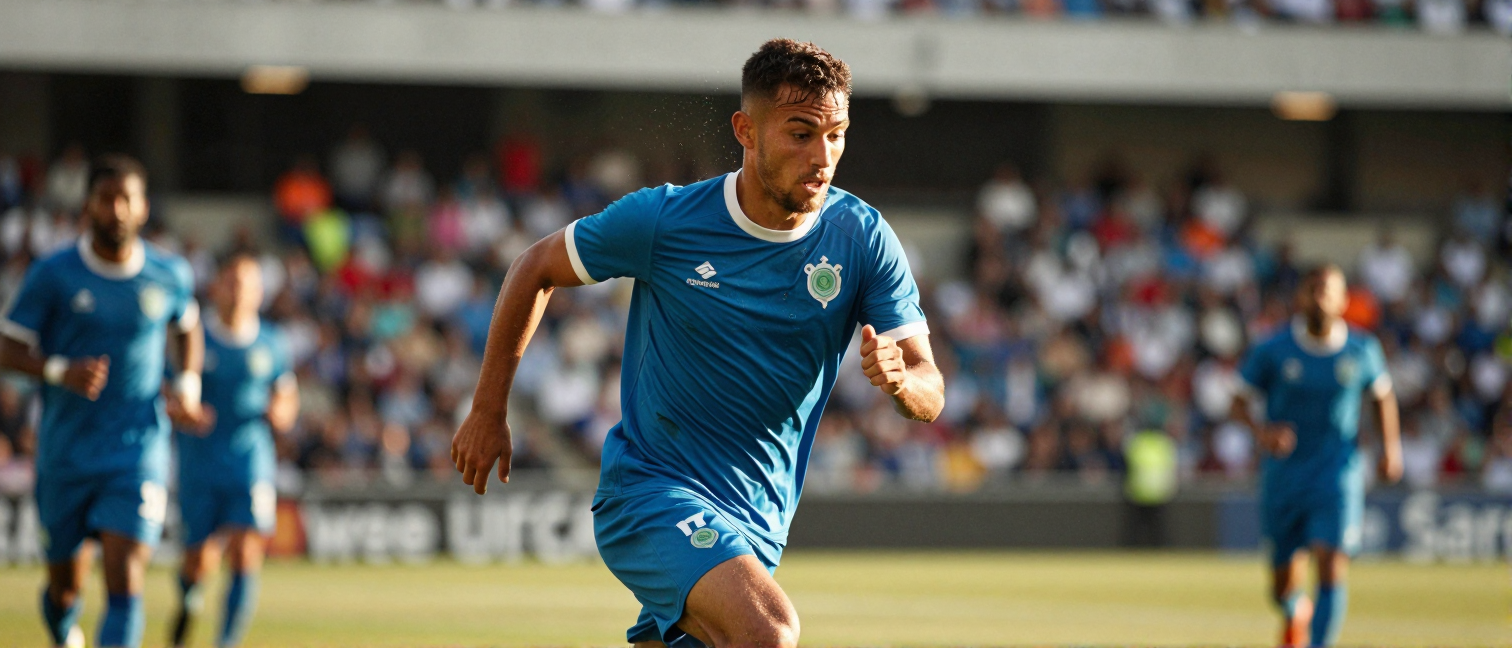
Haitian wingers, known for their speed and dribbling, should be used more strategically. By encouraging them to cut inside, they can create opportunities for themselves and for central strikers. This is particularly crucial when the team is in possession, as it can destabilize opposing defensive lines.
Strengthening Defensive Communication
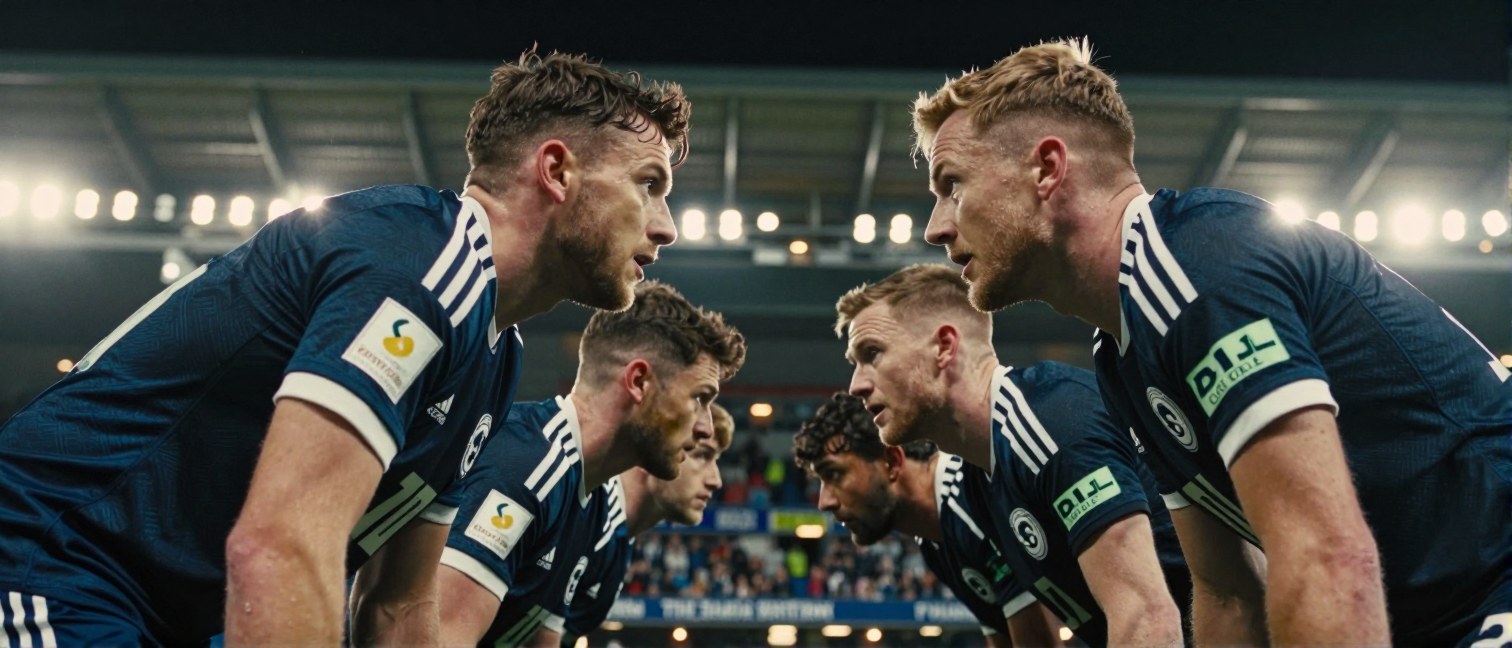
At the back, communication among defenders is essential. The Grenadiers must establish better coordination, especially during set pieces where they have often been vulnerable. By incorporating specific drills during training, this gap can be mitigated, thereby enhancing the team's defensive solidity.
Conclusion
In summary, the Grenadiers have the capability to compete with the best teams in the world, but tactical adjustments are essential to maximize their potential. By adopting a more flexible and strategic approach, Haiti could well emerge as a surprise force at the 2026 World Cup.